Spiro Gear
Choosing the right High Torque Motor can significantly impact your project’s success. According to motor industry expert Dr. Emily Carter, "The right motor can transform efficiency." Many factors influence the selection process, such as application requirements and environmental conditions. A High Torque Motor is often necessary for applications demanding strong rotational force.
Understanding your specific needs is crucial. Factors like load type and speed requirements play a vital role. Make sure to assess the motor’s torque ratings thoroughly. Misjudgments here can lead to inefficiency or even mechanical failure. Not all motors are created equal, and partners in this industry may not always provide the most transparent advice.
Take time to research manufacturers. Some might offer high-quality options, while others may not meet reliability standards. Testing different models in practical conditions can yield valuable insights. Reflect on your experiences with various motors. Have past selections truly met your expectations? It’s important to learn from both successes and failures as you make your choice in High Torque Motors.
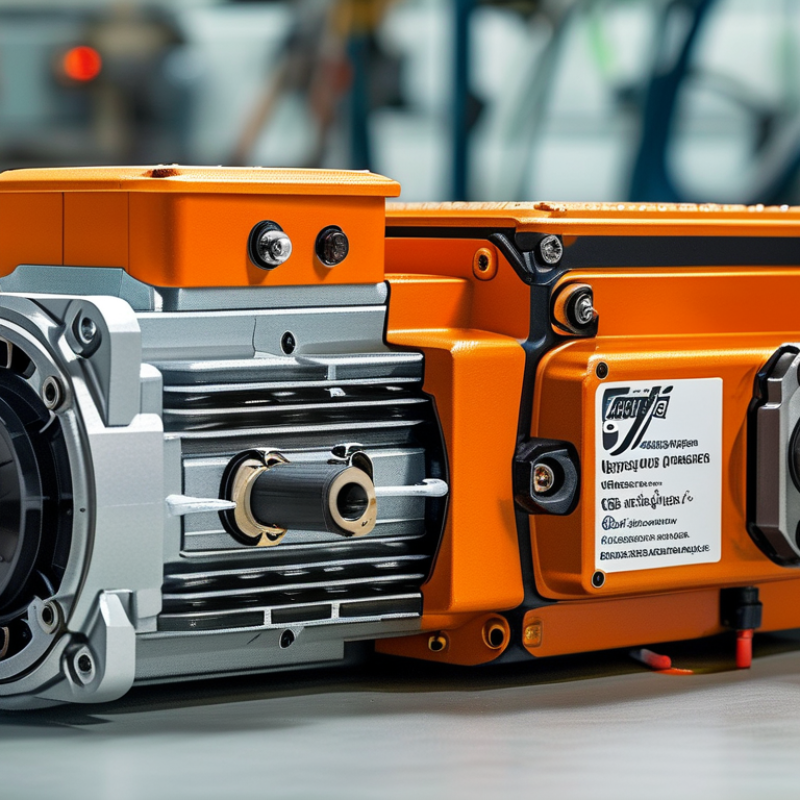
High torque motors are essential in various industrial applications. These motors provide increased force, making them ideal for heavy machinery. According to a report by MarketsandMarkets, the global market for high torque motors is projected to reach $7 billion by 2026. This growth reflects their importance in sectors like manufacturing, automotive, and robotics.
The applications of high torque motors are diverse. They are commonly used in conveyor systems, elevators, and electric vehicles. For instance, in robotics, a high torque motor can enable precise movements, essential for effective automation. A study by the International Journal of Advanced Manufacturing Technology highlighted that motors designed for high torque often yield better performance in dense urban operations. This underscores their necessity in modern engineering.
Selecting the right high torque motor can be challenging. Not all motors are suitable for every task. Users often struggle to find the balance between torque, speed, and efficiency. It is crucial to analyze specific requirements carefully. Understanding variables such as load type and operational environment can dramatically influence performance. Thus, a one-size-fits-all approach may not be effective or reliable.
When selecting a high torque motor, several key factors must be taken into account. Torque output is paramount; look for motors that provide the necessary torque for your application. Data from industry reports indicate that motors with a torque output exceeding 50 Nm are essential for heavy-duty applications, such as in industrial machinery. Consider the power-to-weight ratio as well. A motor that is both powerful and lightweight enhances efficiency and reduces wear on your system.
Another important factor is the motor's efficiency rating. High-efficiency motors can save energy costs significantly over time. Research reveals that a 1% increase in efficiency can lead to savings of approximately 2% to 4% on energy costs annually. Noise and vibration levels should also be assessed. Motors that operate quietly and with minimal vibration can greatly improve operational conditions.
Compatibility with your existing systems cannot be overlooked. Ensuring that the motor’s dimensions, mounting configurations, and electrical specifications align with your equipment is crucial. Many engineers face challenges during this process, often finding it difficult to match all parameters precisely. This step is vital, as overlooking small details may lead to operational inefficiencies or increased maintenance costs.
When choosing a high torque motor, understanding the different types is crucial. There are several main categories.
DC motors are simple and commonly used in small applications. They provide excellent torque at low speeds, making them ideal for robotics. Stepper motors offer precise control of position and speed, suitable for 3D printing or CNC machines. Brushless motors are efficient and provide high torque while maintaining a longer lifespan.
Consider the specific requirements of your project. Think about the voltage and speed you’ll need. For high-powered applications, gear motors could be a solution. They combine the benefits of a motor with gear systems, yielding greater torque at reduced speeds.
When selecting a motor, analyze its torque specifications. Look for detailed torque curves to gauge performance. Ensure the motor fits your performance expectations and operational demands. Checking reviews and user feedback can provide insights into reliability.
Choosing the right motor can be complex. Reflect on your application requirements and be prepared to revise your choices based on testing results. Your initial decision may not yield the best outcome. So, be open to adjustments as you gather more data.
When selecting a high torque motor, understanding specifications is crucial. Key metrics include torque rating, RPM, and efficiency. For instance, a motor's torque rating, often expressed in Newton-meters (Nm), determines its power output under load. A report by the International Electrotechnical Commission indicates that motors with higher torque ratings tend to perform better in demanding applications, especially in robotics and manufacturing.
Beyond torque, RPM (revolutions per minute) affects how quickly a motor can operate. A typical high torque motor may have RPM values ranging from 100 to over 3,000. Lower RPMs often mean more torque is available, which is important for heavy-duty applications. Analyzing performance data shows that motors with a balance of torque and RPM often yield the best efficiency. Yet, selecting a motor solely on these metrics can be misleading without considering the application environment.
Efficiency also plays a vital role in performance. Motors with efficiencies exceeding 85% typically use energy more effectively. However, performance can vary dramatically under different load conditions. A recent study reported that even slight changes in load can diminish efficiency significantly, leading to unexpected operational costs. Therefore, evaluating the motor against specific use-case scenarios is essential for making an informed decision.
When selecting a high-torque motor, it's vital to consider both cost and manufacturer reputation. Costs can vary widely due to features, materials, and design complexities. For instance, a robust motor with advanced efficiency may have a higher initial price. However, investing in quality often leads to better performance and longevity. Cheap options might save money upfront, but they often result in higher replacement costs.
Researching manufacturer reputation is equally essential. Established brands typically have a track record of durability and customer satisfaction. Reading reviews can provide insights into reliability and warranty support. It's important to recognize that a popular manufacturer doesn't always guarantee quality. Some newer companies offer innovative features at competitive prices, but they may lack the historical data to back up their claims.
When weighing options, consider your specific needs. High torque is essential for demanding applications, but how much are you willing to invest? Balancing cost against reputation requires careful thought. Pay attention to the experiences of others, especially any critical feedback. A thoughtful approach will help ensure you make a choice that supports both your budget and performance standards effectively.
| Motor Type | Torque (Nm) | Cost (USD) | Efficiency (%) | Manufacturer Reputation |
|---|---|---|---|---|
| DC Brushless Motor | 20 | 500 | 90 | High |
| Stepper Motor | 15 | 300 | 85 | Medium |
| AC Induction Motor | 30 | 700 | 92 | High |
| Servo Motor | 25 | 900 | 95 | Very High |
| Brushed DC Motor | 10 | 200 | 80 | Low |
: There are several types, including DC motors, stepper motors, and brushless motors. Each has unique characteristics.
DC motors excel in small applications, especially in robotics, where low-speed torque is crucial.
They offer precise control of position and speed, making them ideal for 3D printing and CNC machines.
Gear motors combine motor power with gear systems, delivering high torque at lower speeds, suitable for demanding tasks.
Torque specifications are vital. Higher torque ratings indicate better performance for heavy loads in robotics and manufacturing.
RPM indicates how quickly a motor operates. Lower RPMs often translate to more torque for heavy-duty tasks.
Efficiency determines energy usage. Motors over 85% efficiency are more effective, but performance varies with load conditions.
Consider your application needs. Be ready to revise choices based on testing results and gathered data for better performance.
No, metrics like torque and RPM can be misleading without considering your specific application environment.
Be open to adjustments. Your first decision may need re-evaluation based on real-world testing and performance feedback.
When choosing the best High Torque Motor for your needs, it's crucial to understand their applications and relevance within various industries. High torque motors are designed to provide substantial rotational force, making them essential for tasks that require heavy lifting or precise control.
Key factors to consider include the motor's specifications, such as voltage, current ratings, torque speed curves, and operational efficiency. Additionally, understanding the different types of high torque motors, like brushed vs. brushless designs, can help clarify which model best fits your specific requirements. Evaluating performance metrics alongside cost and the reputation of manufacturers will ensure that you select a reliable and efficient high torque motor, tailored to your operational demands.
