In today's world, security is paramount. A reliable "Motor For Lock" plays a vital role in safeguarding our possessions. John Smith, a leading expert in lock mechanisms, states, "A well-designed motor transforms the concept of security into a tangible reality." This highlights the importance of understanding how these motors function.
The motor for locks operates through a combination of electrical and mechanical processes. It initiates locking and unlocking actions, ensuring protection against unauthorized access. Whether used in residential or commercial settings, the efficiency of a motor for locks can greatly influence overall security levels. Additionally, advancements in technology enable these motors to be more precise and reliable.
However, not all motors are created equal. Some may face issues over time, such as wear and tear or software glitches. A thorough understanding of motor capabilities can help in choosing the right solution for specific needs. Keeping these factors in mind can improve reliability, helping individuals protect what matters most. Ultimately, a motor for lock is not just a component; it is a cornerstone of modern security.
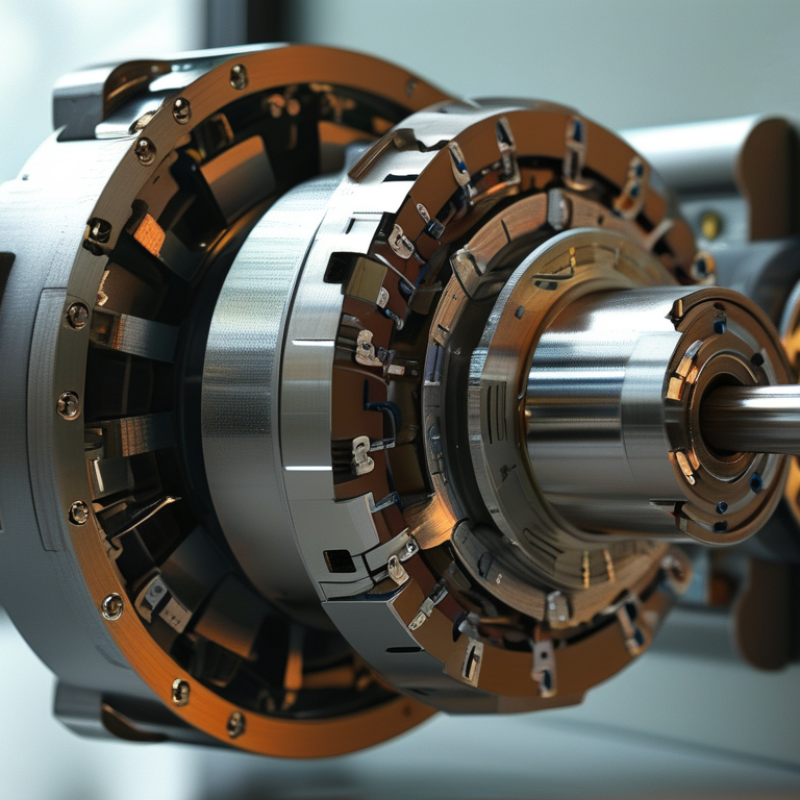
Definition of a Motor for Lock and Its Purpose
A motor for a lock is a crucial component in modern locking mechanisms. It serves to convert electrical energy into mechanical motion, enabling the locking and unlocking of doors or devices remotely. This technology is often found in electronic locks, smart locks, or even traditional systems that have upgraded functionality.
The purpose of a motor in a lock is multifaceted. It enhances security by offering ease of access without compromising safety. Users can control locks using keypads, smartphones, or even biometric systems. When activated, the motor engages with the locking mechanism, pulling or pushing components to secure or release the lock. This process is swift and efficient, reducing the chances of human error.
However, the reliability of a motor for a lock can vary. Factors like weather conditions, wear and tear, or electrical failures might lead to malfunctions. Regular maintenance and updates are necessary to ensure optimal performance. While this technology can be seen as advanced, it's worth considering potential vulnerabilities as well. Each installation must be evaluated for compatibility and effectiveness in various situations.
Motor Power Consumption for Lock Systems
Components of a Locking Motor System
A motor for locking plays a crucial role in modern security systems. It consists of various components that work together to control access. One primary component is the motor itself, which converts electrical energy into mechanical motion. This movement is essential for engaging or disengaging the locking mechanism effectively.
Another vital part is the control system. It interprets commands from the user or security system. This can include keypads, biometric scanners, or remote operations. The power supply also deserves mention. A reliable power source ensures the motor functions without interruption. This can be particularly critical in emergencies.
Despite their utility, locking motors need careful consideration. They can sometimes malfunction due to wear or electrical failures. This can lead to frustrating lockouts. Regular maintenance can help mitigate such issues. Understanding these components can empower users. It allows for better selection and care of locking systems.
How a Motor Operates in Lock Mechanisms
In modern lock mechanisms, motors play a crucial role. They are designed to enhance security and provide convenience. These small but powerful components replace traditional keys, allowing for electronic access. Their operation is usually based on a simple principle. When a button is pressed, the motor activates, turning the locking mechanism.
Lock motors convert electrical energy into mechanical motion. This process begins when a signal is sent, activating the motor. The motor then engages a series of gears or levers. These components move to either lock or unlock the mechanism. It's fascinating to see how a small motor can control such intricate systems. However, they can also fail. A power outage or malfunction may prevent access.
Understanding the mechanics behind lock motors offers insights into their vulnerabilities. Many motors rely on batteries or AC power. If these sources fail, the lock becomes inoperable. Regular maintenance can help, but not all issues are preventable. Users should be aware of these limitations. Overall, lock motors are a blend of technology and security, with both strengths and weaknesses.
Types of Motors Used in Lock Applications
When it comes to locks, motors play a crucial role in ensuring security and convenience. Various types of motors are used in lock applications, each serving specific functions. Electromechanical motors are popular in electronic locks, providing reliable performance. They convert electrical energy into mechanical motion, allowing the lock to engage or disengage. These motors often employ a simple yet effective system of gears and levers to operate.
Another common type is the solenoid motor. Unlike standard motors, solenoid motors create linear motion. They consist of a coil of wire and a movable rod. When electric current flows through the coil, it generates a magnetic field that pulls the rod. This action can either lock or unlock the mechanism swiftly. Solenoid motors are widely used in both residential and commercial locking systems.
For applications requiring robustness, DC motors are a great choice. They offer precise control of speed and torque, making them ideal for advanced locking solutions. However, they require careful integration to avoid potential malfunctions. A poorly calibrated motor can lead to security compromises. Understanding these motor types helps users make informed choices for their locking systems.
What is a Motor for Lock and How Does It Work? - Types of Motors Used in Lock Applications
| Motor Type |
Application |
Operation Principle |
Advantages |
Disadvantages |
| Solenoid Motor |
Electronic Locks |
Uses electromagnetic force to move a plunger |
Simple design, cost-effective, fast operation |
Limited range of motion, can overheat |
| DC Motor |
Smart Locks |
Converts electrical energy into mechanical energy |
High torque, easy speed control |
Requires complex control circuitry |
| Stepper Motor |
Keyless Entry Systems |
Moves in discrete steps for accurate positioning |
Precise control, high holding torque |
Can be bulky, requires a driver circuit |
| AC Motor |
Commercial Access Control |
Converts alternating current into mechanical motion |
Reliable, low maintenance |
Less efficient for low-speed applications |
Applications and Benefits of Lock Motors in Security Systems
Lock motors play a crucial role in modern security systems. These devices automate the locking and unlocking processes, enhancing both safety and convenience. According to industry reports, the global market for electronic locks is expected to reach a value of over $6 billion by 2026, demonstrating a clear demand for such technologies. This rise is largely attributed to increasing concerns about security and the need for efficient access control systems across various sectors, including residential, commercial, and industrial.
One notable benefit of lock motors is their integration with smart technology. Many lock motors offer features such as remote access, notifications, and audit trails. These features allow users to monitor and manage access securely. Interestingly, a study indicated that homes with electronic locks are less likely to experience break-ins, as they offer superior protection compared to traditional locks. However, the reliance on technology raises concerns about vulnerabilities. Cybersecurity issues can potentially expose systems to unauthorized access.
The versatility of lock motors extends beyond simple locking mechanisms. They can be paired with alarms and motion sensors, creating a comprehensive security solution. Yet, while lock motors have many advantages, they may come with technical challenges that require regular maintenance. Users need to remain aware of these complexities to ensure optimal function. Balancing innovation with reliability remains essential in the pursuit of enhanced security.
Conclusion
A Motor for Lock is an essential component in modern locking systems, playing a crucial role in enhancing security measures. It serves to convert electrical energy into mechanical motion, allowing for the automatic locking and unlocking of doors or gates. Key components of a locking motor system include the motor itself, gears, and control circuitry, all of which work together to facilitate reliable operation.
When operated, the motor engages with the lock mechanism, which can be controlled remotely or through preset commands. Various types of motors, such as DC motors and stepper motors, are utilized in different locking applications to suit specific security needs. The integration of motors in lock systems not only provides improved convenience and accessibility but also enhances overall security by enabling advanced features like remote control and automation, ensuring that safety remains a top priority in residential and commercial settings.
 Spiro Gear
